Right Brain Thinking: Defeating Fear
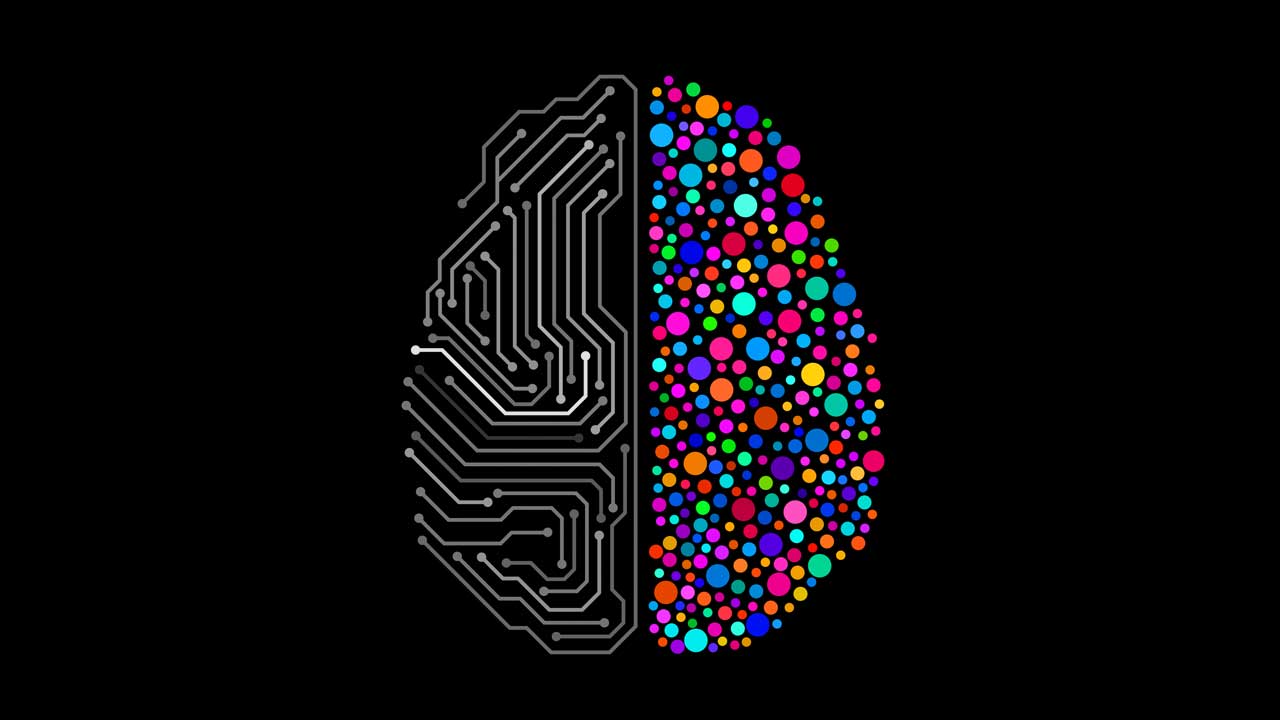
In the first half of my February talk at West Point, I discussed what I call left-brain thinking… the discipline of preparation, mechanics, and structured performance.
But performance is shaped by more than just technique. The second half of my talk looked at something less mechanical but just as important… how de we integrate right-brain thinking?
Right-brain thinking deals with the inner forces that shape performance; fear, identity, meaning, and most importantly, the stories we tell ourselves about who we are. Over the years I’ve come to reject the idea that fear sharpens you, that somehow a little anxiety makes you more conscious, that dread in some way heightens focus. Fear is not the solution to a situation. It’s the fire alarm. Figuring out what to do about that alarm is what you need to focus on.
Preparation helps. Awareness helps. Prudence helps. Fear corrodes.
To understand why, it helps if we define fear clearly.
Fear is not the event itself. Fear is the anticipation of a future event such that, if that event occurs, you anticipate feeling something you don’t want to feel.
Fear lives entirely in the future.
It does not exist in the past.
It does not exist in the present we inhabit.
Fear exists only in a future we project.
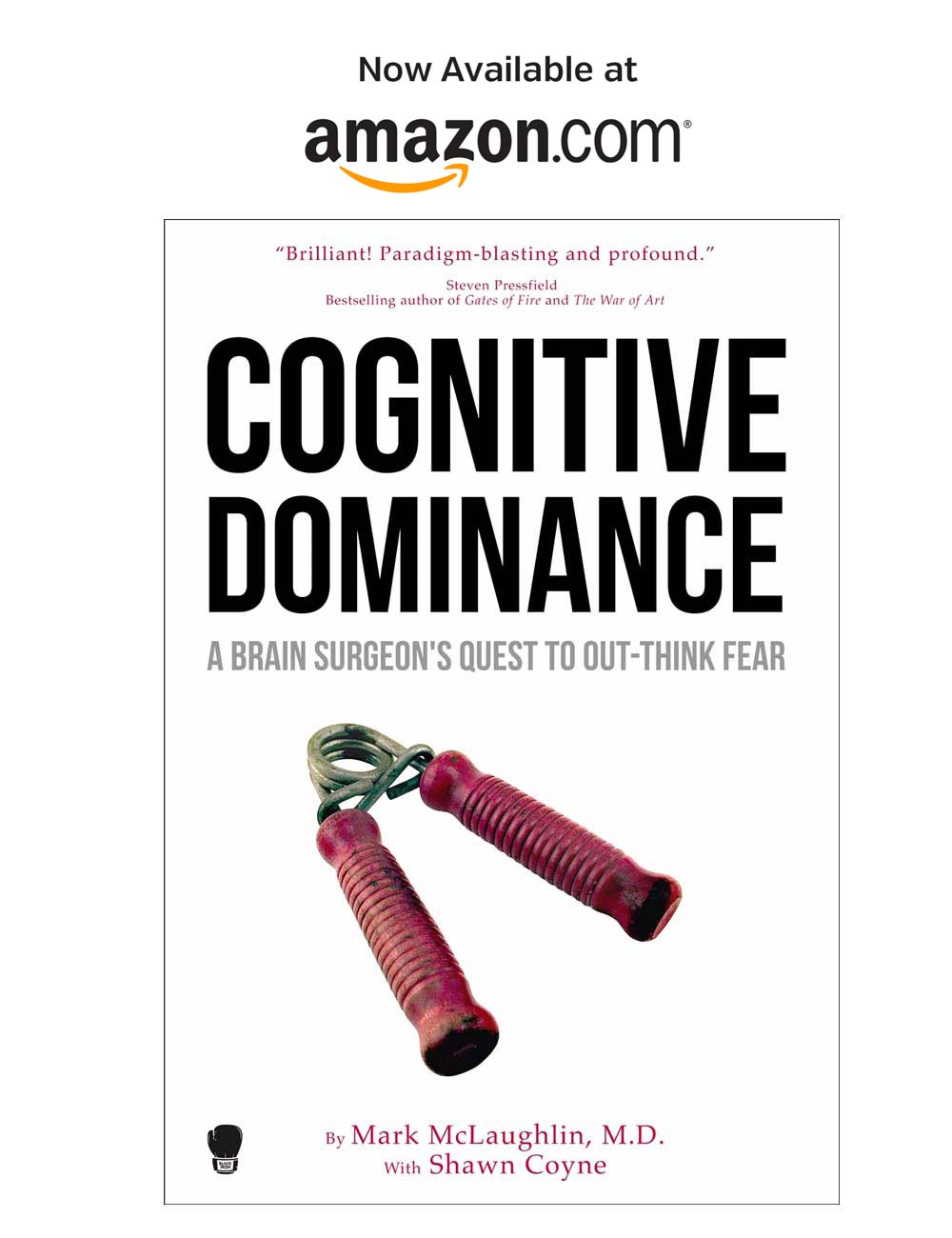
That insight changed the way I approach my work as a surgeon and in many ways, led ultimately to my book “Cognitive Dominance: A Brain Surgeon’s Quest to Out-Think Fear”. How did I get there?
One afternoon in 2016 I was scheduled to remove a tumor from the back of a patient’s head. It had already been a long week. I’d seen dozens of patients, completed several operations, and this particular case had been delayed until late in the day. The operating room team had changed, and fatigue was setting in.
Then as I was about to enter the hospital for this late surgery, my phone rang. It was my father’s doctor. I hesitated, perhaps anticipating the worst, then answered. He told me that Dad had just been diagnosed with aggressive leukemia. In that moment, the map changed. The news landed like a physical blow. My first thought was that I should cancel the surgery. I didn’t trust my state of mind. I imagined something going wrong. I imagined dire consequences. In other words, I was already living in a fearful future.
Before canceling the case, I went in to see the patient. He was sitting in the room with his wife and three daughters.
And during that visit something shifted. I realized that this patient and his family needed me right now… and I thought about my father and what he would hope from me in that moment. The answer was obvious.
The operation would go forward and it should/would be dedicated to my father. We took the patient to the operating room and performed one of the best operations of my career. When the case was finished and the patient was stable, I got in the car to drive to see my father.
Later, I described the experience to a mentor (a sports psychologist) and told him that I had “found the courage.” He corrected me. He said that what happened was simpler than courage. I had remembered who I was.
I loved my father. I loved my patient, and I loved the work I had been trained to do.
When those ideas aligned, there was no space left for fear at the table. Dismantling fear enabled what some people call courage (and what I call Love) to show up.
That moment became a turning point in how I understood performance. Left-brain thinking trains the hands and the habits.
Right-brain thinking governs the inner world that directs those hands.
The Illusion of Outcomes
This realization ultimately led me to re-examine stories I had been telling myself for decades. Early in my career, I had internalized a dangerous lie: the lie that outcomes somehow defined me.
There were two patients who inhabited this narrative. One was a man with a devastating spinal cord injury who, against all odds, walked again. The case gained notoriety, and I allowed that success to inflate my sense of self.
Not long after that case, I treated a young boy with a brain tumor. The surgery went well, but complications followed relentlessly: infection, neurological decline, aggressive pathology. For years, I carried that case as a private indictment. I believed I had failed him. The impacts of that belief were corrosive.
Many years later, I found out the boy was alive. Yes, he had impairments, but he was alive and surrounded by a loving family. When I apologized to his parents for not "bringing their son back," they embraced me. They thanked me for saving his life and keeping their family intact. What I saw as failure, they saw as a gift.
A New Model of Fear
I was forced to confront a truth: We are responsible for our preparation, our effort, and our integrity. We’re not the masters of the outcome.
If we allow outcomes to define us, we live and die on our self-esteem. And fear becomes a permanent demon. Every new challenge becomes a referendum on your worth. Right-brain thinking can disrupt that pattern. It reminds you that identity doesn’t live inside success or failure; it lives inside the person who continues to show up and do the work with honesty. Like Patch Adams (Robin Williams) says in the 1998 movie of the same name: “You treat a disease, you win, you lose. You treat a person, I guarantee you, you win, no matter what the outcome.”
When you stop obsessing over “what ifs,” you give the something else a place at the table... something closer to love appears instead of fear. It’s your love of the process… the craft… a love of the people you serve… and the simple love of doing the work well.
That’s the balance that comes with right-brain thinking. It doesn’t replace preparation. It unlocks the power of the prepared mind to perform at its highest level in any environment.