On The Origin of Fear
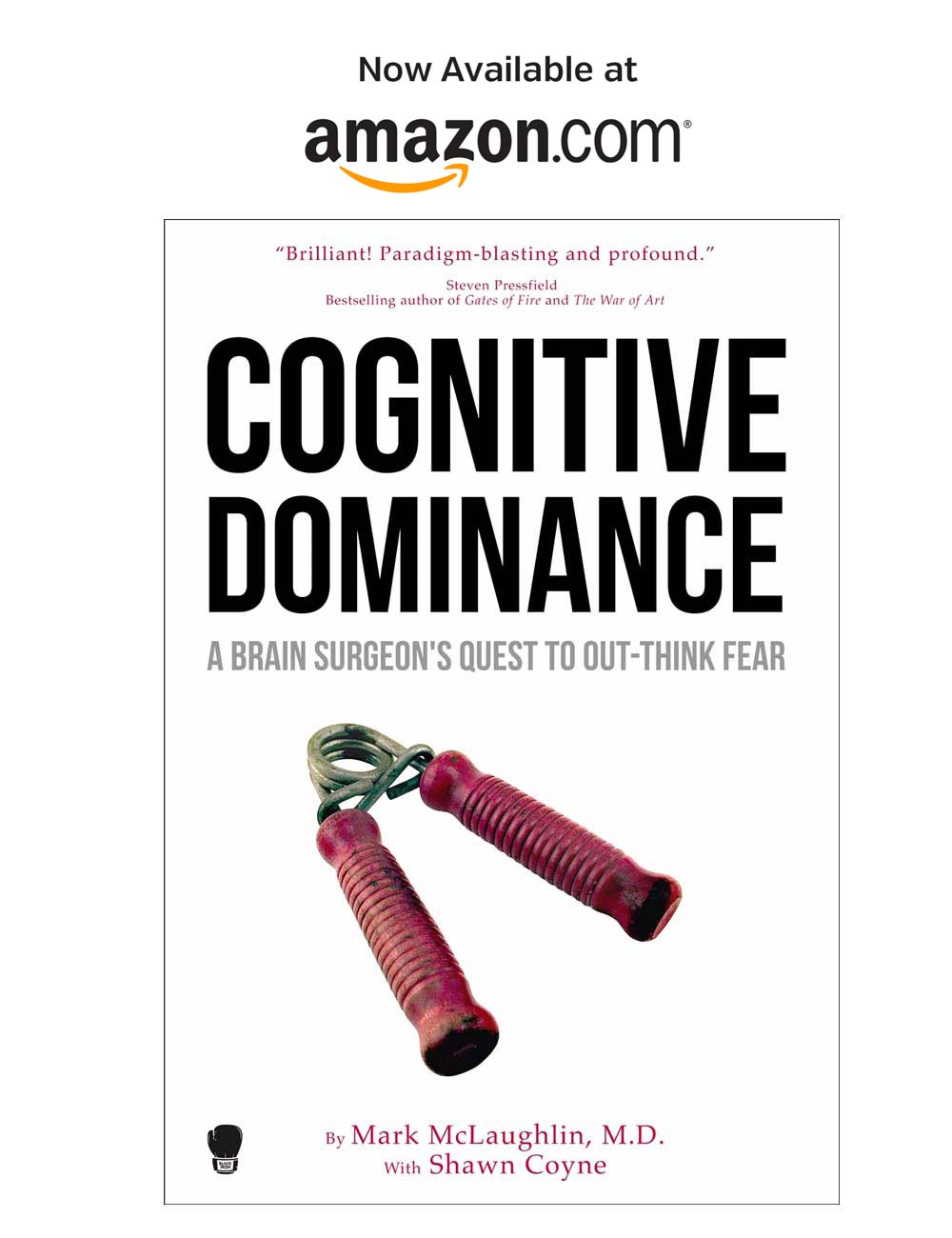
Chapter three is really about fear, defining the enemy of fear, and it's really a critical portion of the book to understand how we perceive fear. I perceive it as an internal event. Sean, my co-writer, perceived it as an external event.
If I had to rewrite this book, I would define fear as the anticipation of an event that, if it happens in the future, will induce something, will cause you to feel something you don't want to feel. So it's something that will happen in the future that, if it happens, will cause us to feel something we don't want to feel. That's how I define fear.
And if we think about fear in that way, we can think of a clue on how to dismantle it because it requires the future. If it requires the future, we can focus on the present. We focus on the present, we don't have fear.
We don't have fear of the past. We don't have fear of the present. We only have fear of the future.
And the second part, the second way to dismantle fear, which I talk about, is not being afraid to feel what you're going to feel. So if fear is the anticipation of an event that might happen in the future, that if that event happens, you'll feel something you don't want to feel, you can either not think about the future or you can not be afraid to feel whatever you want to feel, whether that's sadness, whether that's joy, whether that's grief, whatever that is. If you're willing to feel it to the degree that you need to feel it at the time that you need to feel it and you don't push it away, you won't have fear.