Mental Health in Corrections

January 16, 2026
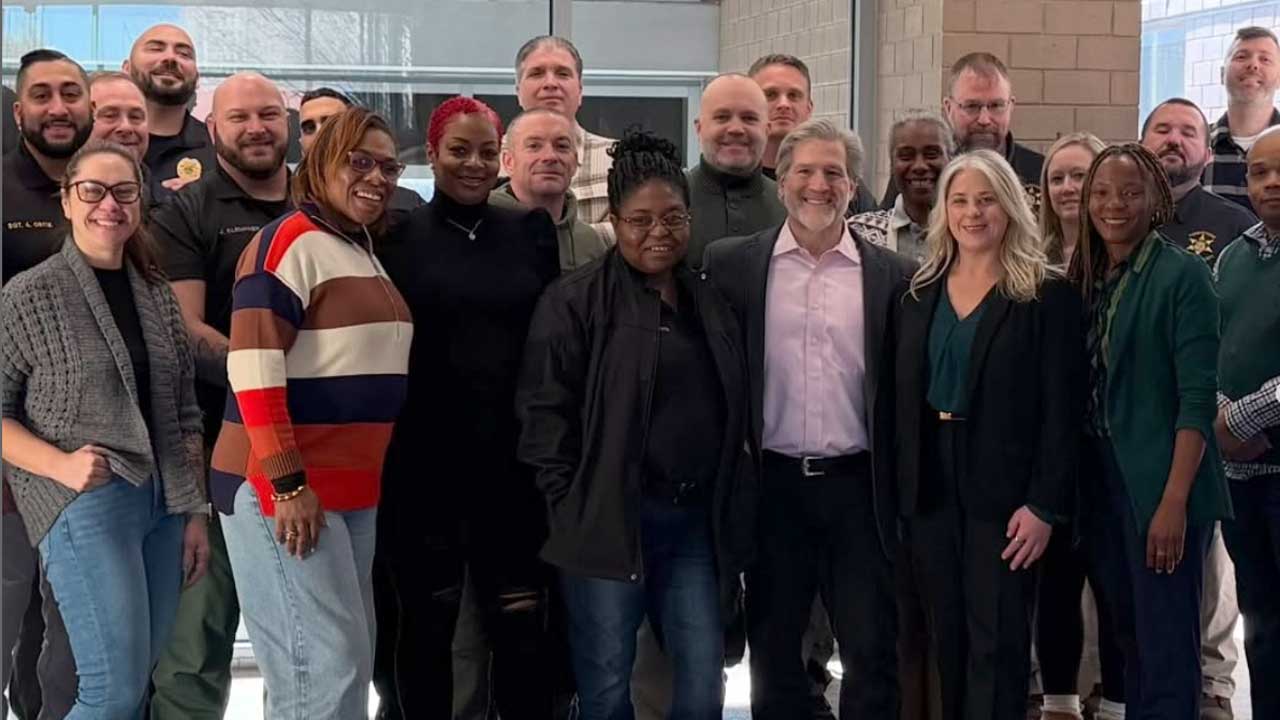
I had the privilege to speak to a group of New Jersey Correctional officers about trauma and suicide prevention.
Correctional officers in the United States face one of the highest suicide rates of any profession, with studies indicating their risk of suicide is significantly higher—estimated between 39% to 105%—than the general working-age population. In New Jersey, the crisis is particularly acute, with reports showing that more law enforcement and corrections officers have died by suicide than in the line of duty, often spurred by trauma, high stress, and a culture of silence.
We can and must help public servants in this sector get the much needed assistance they need.
Suicide is a permanent solution to a temporary problem.
Breaking the Culture of Silence
We can, and must do better for the men and women who serve in these roles. Correctional officers are public servants who protect communities and maintain order under extraordinarily difficult circumstances. Supporting their mental health is not only compassionate; it is a matter of organizational responsibility and public safety.
Changing the culture begins with recognition. Mental-health strain in corrections is real, common, and understandable given the nature of the work. Acknowledging this reality helps remove stigma and opens the door to prevention, early intervention, and recovery.
Organizations, unions, and leadership teams can play a decisive role by:
Normalizing conversations about mental health and stress
Providing confidential counseling and peer-support programs
Training supervisors to recognize warning signs of distress
Encouraging help-seeking without career penalty
Ensuring access to qualified mental-health professionals familiar with public-safety work
The Role of Colleagues, Families, and Communities
Support does not rest solely with institutions. Colleagues, friends, and family members are often the first to notice changes in mood, behavior, or outlook. Withdrawal, hopelessness, increased irritability, or talk of being overwhelmed can signal that someone is struggling.
When we hear someone speak about harming themselves—or sense that they may be in distress—it is essential to respond. That response does not require clinical expertise. It requires presence, compassion, and action:
Be observant
Ask direct, caring questions
Encourage connection with trained professionals
Notify appropriate support resources when safety is a concern
Early support can save lives.
A Message of Hope
Moments of crisis can feel permanent to the person experiencing them. Yet with time, treatment, and support, people can and do recover from even the darkest periods of distress. The challenges correctional officers face are real—but they are not insurmountable, and they should never be faced alone.
Every member of the corrections community deserves access to understanding, help, and hope. By speaking openly, supporting one another, and connecting people to professional care, we honor the service of those who protect our institutions—and we help ensure they can continue their lives and careers with strength and dignity.