Take the Quiz
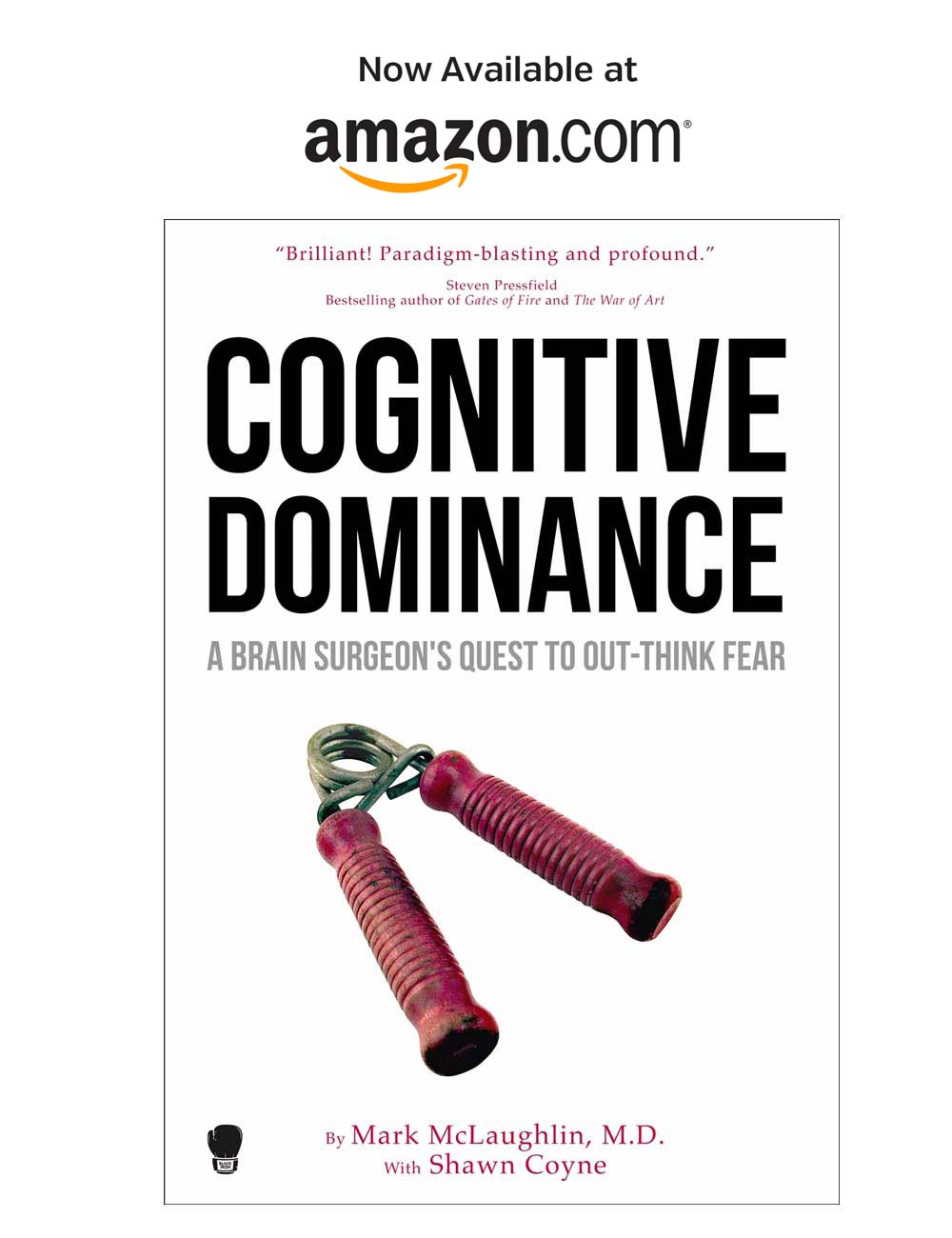
Quitting isn’t failure or giving up, it’s strategy. To better understand how neuroscience and behavior shape our ability to let go, pre-order Dr. McLaughlin and co-author Joe De Sena’s upcoming book, Why We Quit. Subscribe for exclusive insights, tools for behavior change, and updates on Dr. McLaughlin’s research in partnership with Rutgers University.
Take the quiz and learn more about how your own ingrained strategies work to your benefit or your disadvantage.
Five Factors
The big 5 factors that lay within your control. How to ensure your "quitting strategy" is a winner.
The inability to complete a task often signals that you, as an individual, lack the necessary knowledge, capability, or time to do it effectively. It indicates that your ambition is great, but you are currently not the right "who" for the job.
The American Psychological Association defines willpower as the ability to resist immediate urges so that long-term goals can be met, unwanted traits replaced and challenges are handled rationally, not emotionally.
Adaptability is an important lens for high achievers. Often this group will set challenging goals that they soon realize are likely unattainable in their preset timeline.
Pivoting is the ability to distinguish between tasks that must be attended to immediately, postponed, or abandoned completely. It’s a skill set worth developing, and it’s useful in all areas of life.
Reframing is a technique used in business, psychology, communication, and software engineering. It is a useful tool, and one could argue it has been around since ancient times.